
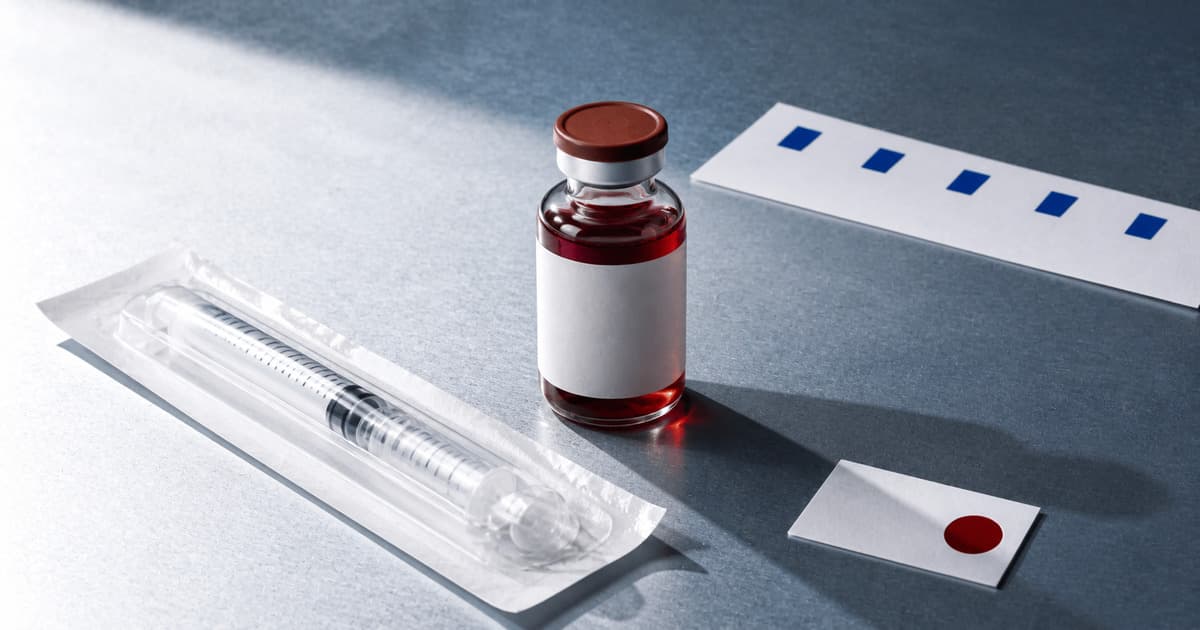

Methylcobalamin B12 injections make the strongest case when low B12 or poor absorption is the problem. They deliver an active form of vitamin B12 without relying on digestive absorption. They are not a general stimulant, and more B12 does not guarantee more energy when B12 status is already adequate.
That distinction gives the category a useful starting point. Ask whether B12 deficiency fits the symptoms and risk factors. Check the relevant labs. Then compare the form, route, prescription, package, supplies, and price.
The short answer
Methylcobalamin is one of the metabolically active forms of vitamin B12. B12 supports nervous-system function, red-blood-cell formation, and DNA synthesis. A deficiency can affect blood cells and nerves, and fatigue can appear with it.
Fatigue alone cannot diagnose low B12. Poor sleep, iron deficiency, thyroid disease, infection, medication effects, depression, and many other problems can feel similar. Testing gives the injection a clear job instead of turning it into a vague wellness shot.
Methylcobalamin injection at a glance
| Question | Direct answer |
|---|---|
| What is it? | An injectable, active form of vitamin B12 |
| What job does it have? | Correcting or supporting low B12 when a clinician finds the route appropriate |
| Why inject it? | Injection bypasses the digestive absorption pathway |
| Is it an energy stimulant? | No. It can address fatigue linked to low B12, but it does not act like caffeine |
| Is it always better than cyanocobalamin? | No. The forms differ, but current evidence does not make methylcobalamin universally superior for every person |
| What should guide the choice? | Symptoms, diet, medications, medical history, lab results, route preference, and the prescribed plan |
What vitamin B12 does
Vitamin B12 is a water-soluble vitamin. The National Institutes of Health identifies three central jobs: nervous-system development and function, healthy red-blood-cell formation, and DNA synthesis.
Food-bound B12 follows a long absorption path. Stomach acid and enzymes release it from food. It then binds to intrinsic factor and reaches the end of the small intestine for absorption. A problem anywhere along that path can reduce how much B12 reaches the body.
An injection bypasses that digestive sequence. That is the practical reason to consider the route. The value comes from delivering B12 when oral intake or absorption does not give a reliable answer.
Who is more likely to have low B12
Risk rises when diet, digestion, medication, or surgery interferes with intake or absorption. The NIH fact sheet identifies several groups that deserve attention:
- people with pernicious anemia or too little intrinsic factor;
- people with some stomach or intestinal disorders;
- people who have had certain gastrointestinal surgeries;
- adults who eat little or no animal food without reliable fortified food or supplementation;
- older adults with reduced food-bound B12 absorption;
- people who use metformin or long-term acid-reducing medication.
These factors make testing more useful. They do not prove that every symptom comes from B12.
Symptoms that should lead to testing
B12 deficiency can cause fatigue, weakness, pale skin, a sore tongue, appetite changes, and blood-count abnormalities. Numbness, tingling, balance trouble, memory changes, or other neurologic symptoms require timely clinical attention because nerve problems can occur even without obvious anemia.
A strong fatigue day does not identify a B12 level, and a mild symptom does not rule out a meaningful deficiency.
What the lab work can show
Serum or plasma B12 is the usual starting measurement. The NIH notes that laboratories often treat results below about 200 or 250 pg/mL as subnormal, though the cutoff can differ.
Methylmalonic acid, often shortened to MMA, can help confirm a deficiency when the serum B12 result sits in a borderline range. Homocysteine and a complete blood count can add context. Kidney function can affect MMA, so a clinician reads the full pattern rather than one number in isolation.
The most useful baseline answers two questions: was B12 low, and did the chosen plan improve the relevant marker or symptom pattern?
Methylcobalamin vs cyanocobalamin
Methylcobalamin is metabolically active. Cyanocobalamin must be converted into an active B12 form. That biochemical difference is real.
It does not prove that methylcobalamin gives every person better energy, faster symptom relief, or better long-term outcomes. Both forms can supply B12. The clinical choice also depends on the available prescription, route, stability, cost, clinician experience, and the reason treatment is needed.
A strong comparison names the actual products. Ask for the B12 form, concentration, package size, route, storage instructions, and full package price.
Injection vs high-dose oral B12
An injection has a clear route advantage when digestive absorption is unreliable or when a clinician wants a direct replacement plan. Oral B12 can still work for many people because a small amount can enter without intrinsic factor when the oral amount is high enough.
This makes the decision specific:
- injection fits when absorption is the main concern or the clinician wants that route;
- oral B12 fits when absorption is adequate, the condition and severity permit it, and a tablet is easier to keep up with;
- neither route should become a substitute for evaluating neurologic symptoms or another cause of fatigue.
The better route is the one that corrects the documented problem and remains practical enough to use.
What an at-home injection package should make clear
Before paying, check these fields:
| Package fact | Why it matters |
|---|---|
| B12 form | Confirms methylcobalamin, cyanocobalamin, or another form |
| Concentration | Shows the amount in each milliliter |
| Vial size | Tells you the total volume supplied |
| Supplies | Confirms what supplies ship with the vial |
| Storage | Prevents assumptions about refrigeration, heat, light, or travel |
| Complete price | Includes the medication, clinician review, shipping, and separate fees |
Rebody's current public offer is methylcobalamin B12 at 5 mg/mL in a 10 mL vial for $178. Your clinician sets the dose, timing, and use. Follow your prescription label. See the current methylcobalamin B12 product page for the live package details.
How to judge whether it is helping
Start with the reason for treatment. If testing showed low B12, the plan should include a follow-up point for the lab pattern and the symptoms that mattered before treatment.
Track a few concrete measures. Examples include afternoon fatigue, exertional tolerance, numbness, balance symptoms, or a blood-count result. Keep sleep and other treatment changes visible so they do not get credited to B12 by default.
A warm or energized feeling soon after an injection is not a complete outcome measure. The useful question is whether the deficiency and its relevant effects improved on the planned timeline.
Keep a note of any local reaction and the date of follow-up testing.
If symptoms persist while B12 markers normalize, the next question is the cause of the symptoms. Iron status, thyroid function, sleep, medications, infection, mood, and other conditions can produce similar fatigue. More B12 is not a substitute for that review.
Side effects and urgent symptoms
An injection can cause pain, redness, itching, bruising, or swelling at the site. Other reactions can occur. Review the pharmacy information and contact the care team about persistent or worsening symptoms.
Seek urgent care for trouble breathing, swelling of the face or tongue, widespread hives, fainting, severe weakness, chest pain, or another severe reaction. New or worsening neurologic symptoms also deserve prompt clinical review.
What the evidence leaves open
Much of the B12 research looks at people with a known deficiency. It shows that replacing B12 corrects low levels and the problems that come from them. It says much less about people whose levels are already normal. For that group, no clear evidence shows that extra B12 by injection improves energy, mood, or focus.
Head-to-head data between B12 forms are also limited. Methylcobalamin and cyanocobalamin follow different steps in the body, but few studies compare them on outcomes that patients feel, such as fatigue or nerve symptoms. Laboratory cutoffs add a gray zone. A borderline result can mean early deficiency or a normal level for that person. That is why MMA and the full clinical picture matter.
How a Rebody online visit works
You start with an online visit and answer questions about symptoms, diet, medicines, surgeries, and past lab results. A licensed clinician reviews your answers. If methylcobalamin injection fits, the clinician writes the prescription and sets the plan. If your history points to another cause, the clinician can recommend testing or other care first. After you start, send medication questions to your clinician through your account.
Questions people ask
Does a methylcobalamin B12 injection give you energy?
It can help fatigue when low B12 contributes to the problem. It is not a stimulant and does not create a dependable energy boost when B12 status is adequate.
Is methylcobalamin better than cyanocobalamin?
Methylcobalamin is active without the same conversion step. That does not establish universal clinical superiority. Compare the reason for treatment, route, prescription, evidence, and price.
Can B12 injections be used at home?
Yes, when a clinician prescribes a product made for home use.
Do B12 injections help with weight loss?
B12 treats B12 status. It is not a weight-loss medication. Correcting a deficiency can improve symptoms that made activity harder, but that is a different claim from causing weight loss.
What is B12 plus MIC?
MIC products combine other ingredients with B12. They are not the same as a methylcobalamin-only prescription. Compare every active ingredient, concentration, and claim separately.
Bottom line
Methylcobalamin B12 injection is a strong, specific option when low B12 or impaired absorption is the problem. Confirm the reason with history and testing, then compare the exact form, package, supplies, storage, and price. Do not buy it as a generic promise of more energy.