

Another coffee won't tell you why you're dragging.
Dragging by 3 p.m. Sore again the next morning. Low B12 can cause fatigue. NAD+ is part of cellular energy metabolism. Glutathione handles antioxidant defense. A mystery blend cannot tell you which problem you're treating.
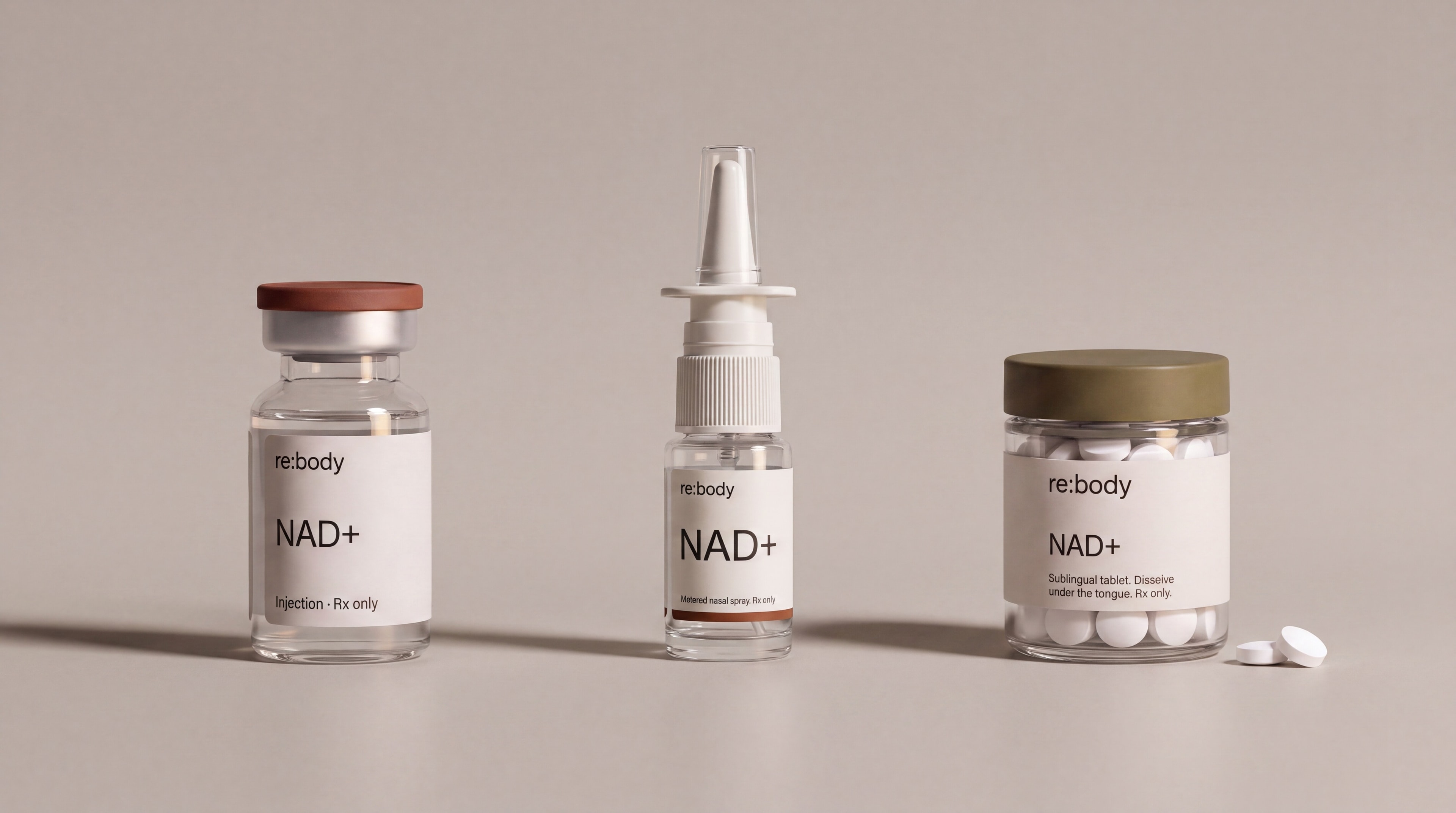
 NAD+
NAD+Cellular energy metabolism
NAD+ is a coenzyme cells use to convert nutrients into usable energy. Its biological role is established; route-specific human evidence for a felt change in energy or recovery remains limited.
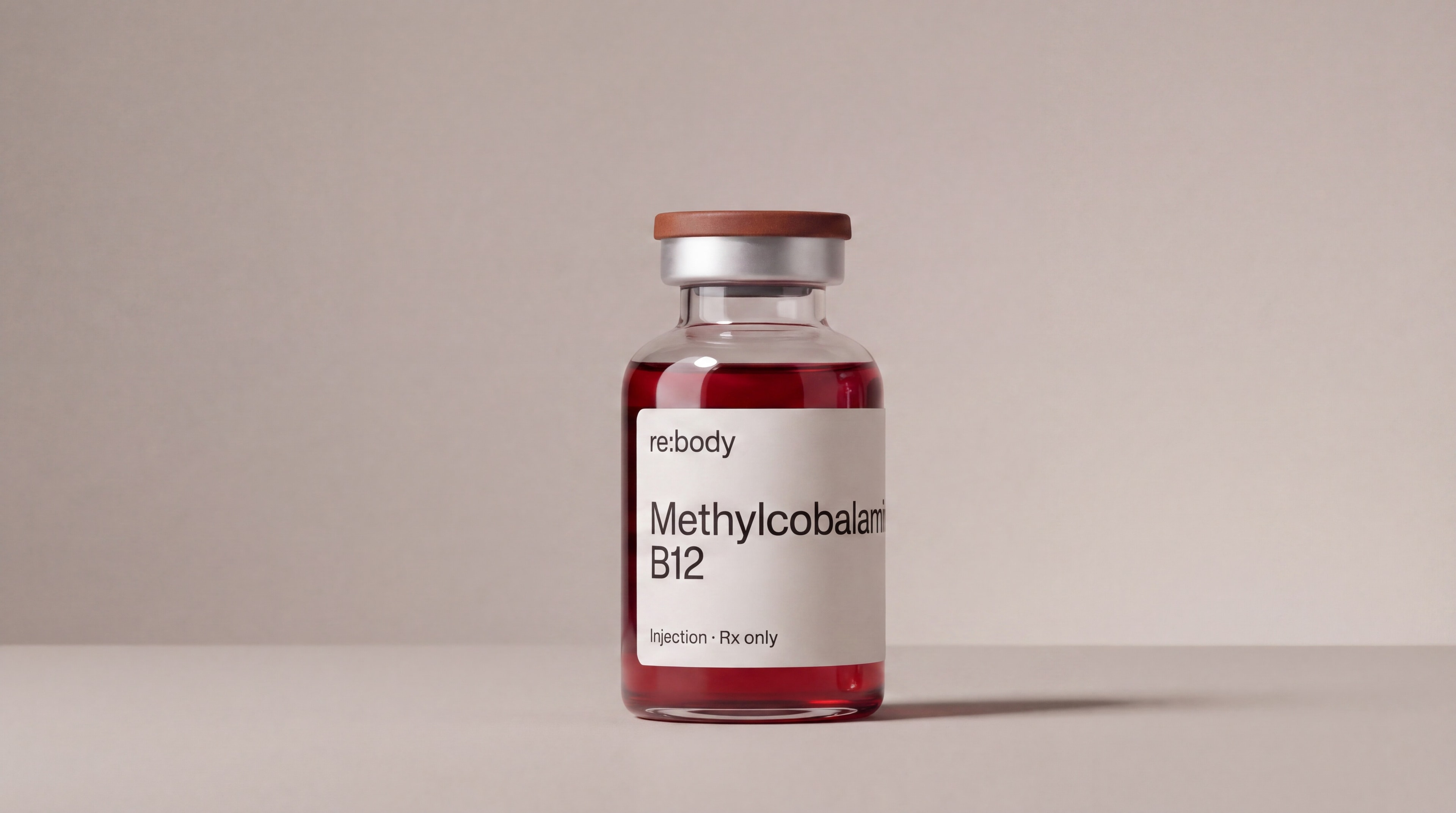
 Methylcobalamin B12
Energy and nerves
B12 is the active-form vitamin your body needs to make red blood cells, run methylation, and keep your nerves insulated. Run low and you feel it as fatigue, brain fog, and tingling — a deficit worth correcting rather than caffeinating over.
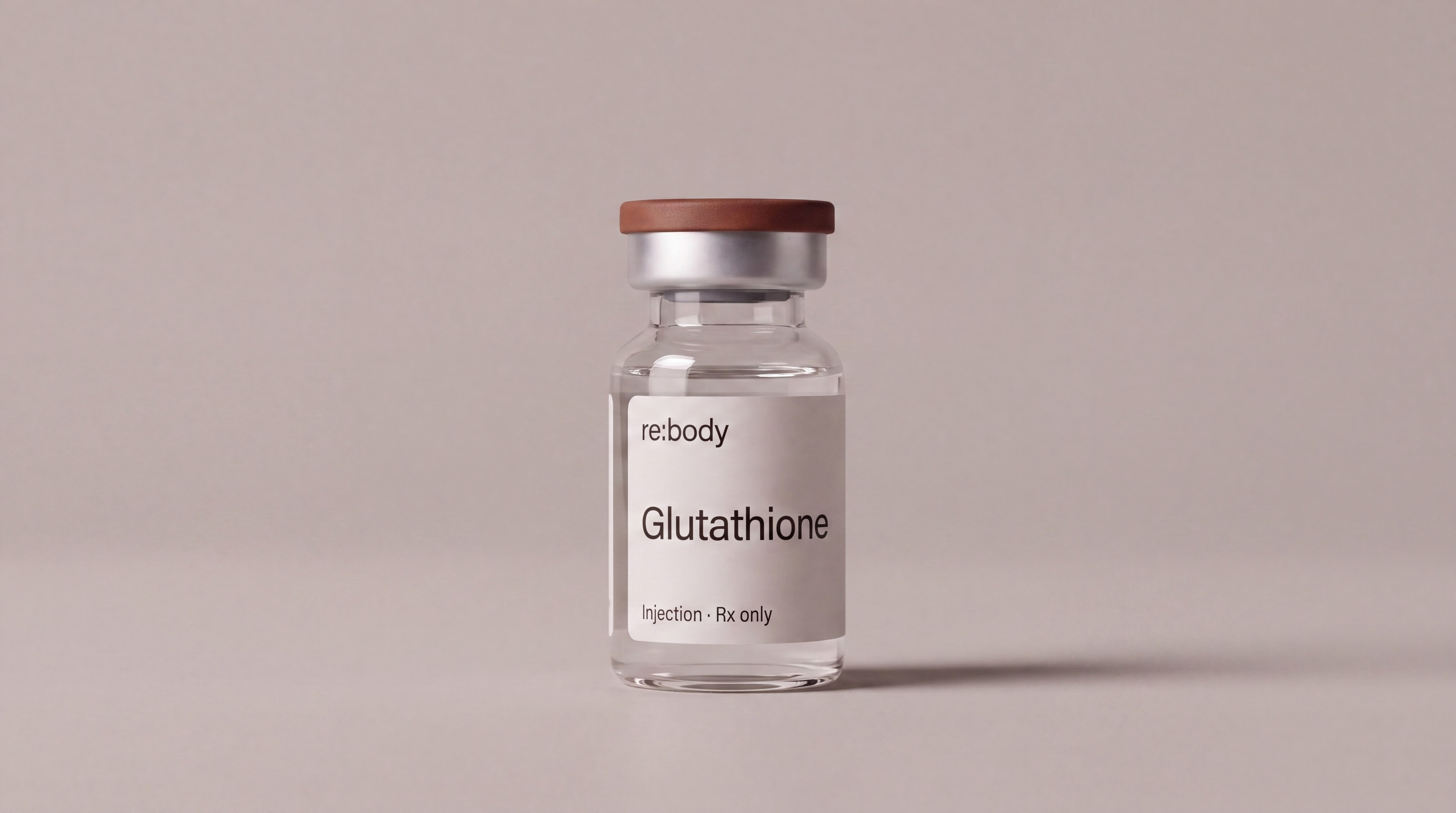
 Glutathione
Antioxidant defense
Glutathione is one of the body's core antioxidants. Human outcomes from compounded injections remain uncertain across energy, skin, recovery, and longevity.
Cells use NAD+, B12, and glutathione every day.
Master
Glutathione is the cell's master antioxidant
It's the most abundant antioxidant your cells make, central to neutralizing oxidative stress and recycling other antioxidants. Levels tend to fall with age and illness.
Source: Pizzorno 2014 (Integr Med)
Cellular
NAD+ is central to energy metabolism
Cells use NAD+ in redox reactions that turn nutrients into usable energy and in pathways involved in cellular stress response and repair.
Active
Methylcobalamin is the active form of B12
B12 is used in red-blood-cell formation and nerve function. Correcting a confirmed deficiency can address the fatigue, brain fog, or tingling that deficiency caused.
Source: Paul & Brady 2017 (Integr Med)
Specific biology vs. a mystery blend
RebodyNAD+ · B12 · glutathione
Shelf “longevity” blend
What you actually getThe thing in the vial.
Full formulation listed on the pharmacy label
A proprietary “longevity” or “detox” blend
Form that mattersWhether the product matches the biological job.
NAD+ formats, active methylcobalamin, or glutathione
Multiple ingredients without a clear reason for each
Who signs offWhether a clinician is involved.
Reviewed by a US-licensed provider
Bought off a shelf or a feed
Refills and questionsWho you talk to when something changes.
Message your care team in one thread
You're on your own
It's easy to get started.

01
Share what you want to improve
Tell a licensed provider about your goals, 100% online.

02
Get a science-led plan
A licensed provider recommends a protocol tailored to you.

03
Delivered to your door
If prescribed online, your treatment ships free in discreet packaging.

04
Adjust when you need to
Dose changes as your needs evolve, with no added fee.
Cellular-energy FAQs
Contact support →What's the difference between NAD+, B12, and glutathione?
They do different jobs. NAD+ is a coenzyme used in cellular energy metabolism. Methylcobalamin B12 is an active form of vitamin B12 used in red-blood-cell formation and nerve function. Glutathione is one of the body's core antioxidants. The right starting point depends on the specific problem you are trying to address.
Is this an anti-aging treatment?
This page focuses on three specific biological jobs: NAD+ in cellular energy metabolism, methylcobalamin B12 for B12 status, and glutathione for antioxidant defense. It does not treat longevity as one measurable outcome or promise that any format will slow aging.
Why methylcobalamin instead of regular B12?
Methylcobalamin is the active, ready-to-use form of B12. Cyanocobalamin — the cheaper form in most shelf supplements — has to be converted by your body first. Starting with the active form skips that step.
When will I notice a change?
There is no universal timeline. Correcting a confirmed B12 deficiency can improve symptoms caused by that deficiency. NAD+ and glutathione have clear biological roles, but those roles do not establish a predictable felt change from a compounded product. Route, dose, and individual response matter.
Do I need a prescription?
Yes. NAD+, B12, and glutathione are prescription-only through Rebody. After your online visit, a licensed provider reviews your health profile and decides whether a treatment is appropriate. If approved, a licensed US compounding pharmacy fills and ships your prescription.
How do I take them?
B12 and glutathione are subcutaneous injections taken at home. NAD+ is available as a three-times-weekly injection, nasal spray, or dissolve-in-mouth tablet. Follow the pharmacy label for the exact directions.
The ingredient and format, spelled out.
NAD+, methylcobalamin B12, or glutathione — with the route, supply, and price attached to the option.
- Online visits from your phone
- US-licensed medical providers
- LegitScript-certified Rebody platform
- Free discreet shipping
What to know about side effects
NAD+, B12, and glutathione have different side-effect profiles. Many reported effects are mild, but the route and dose matter.
This is not a complete list. Message your care team with any questions.
Most common
- Injection-site redness, itching, or swelling
- Flushing, nausea, lightheadedness, or headache with NAD+
- Nasal irritation or an odd taste with needle-free NAD+ formats
- Mild nausea
- Headache
- Temporary flushing or warmth
- Loose stools (higher glutathione doses)
Less common — tell your provider
- Allergic reaction: rash, itching, or swelling
- Chest tightness or trouble breathing
- Wheezing (rare, more often with inhaled glutathione)
- Fainting
Important: Tell your provider about every medication and supplement you take and any history of heart, liver, or kidney conditions or asthma. Not for use during pregnancy or breastfeeding, or under 18.
COMPOUNDED MEDICATIONS ARE NOT APPROVED OR EVALUATED FOR SAFETY, EFFICACY, OR QUALITY BY THE FDA.
- 1Pizzorno J. Glutathione! Integrative Medicine (Encinitas). 2014.
- 2Paul C, Brady DM. Comparative bioavailability and utilization of particular forms of B12 supplements. Integrative Medicine (Encinitas). 2017.
- 3Langan RC, Goodbred AJ. Vitamin B12 deficiency: recognition and management. American Family Physician. 2017.
- 4Covarrubias AJ, Perrone R, Grozio A, Verdin E. NAD+ metabolism and its roles in cellular processes during ageing. Nature Reviews Molecular Cell Biology. 2021.