
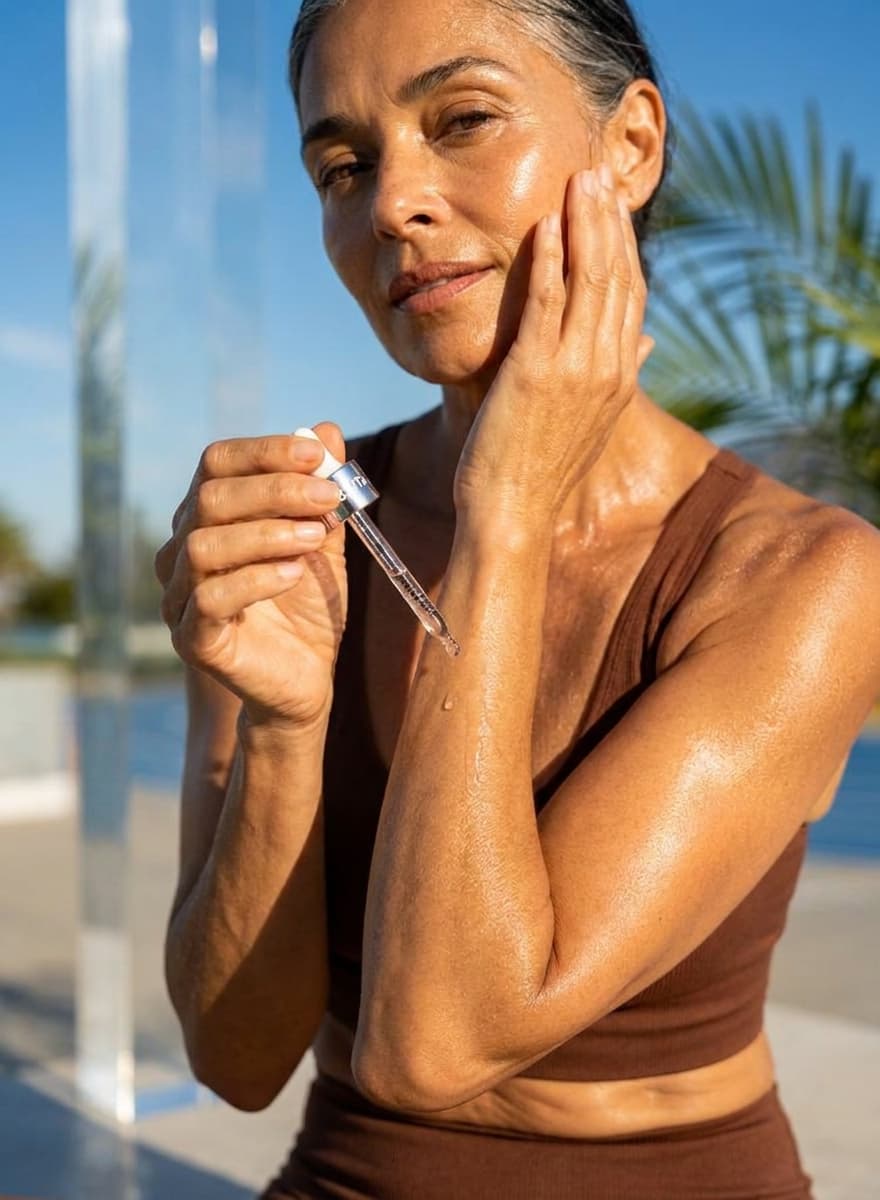

Glutathione therapy gets pitched as a skin-brightening, energy-boosting fix, but the delivery format you choose decides whether you get real antioxidant support or an expensive placebo. This guide breaks down glutathione therapy for skin and energy support by who it actually fits, what separates a legitimate program from a spa gimmick, and where it overlaps with the NAD+ and peptide protocols adults already use for fatigue.
- Glutathione therapy for skin and energy support works best as an injectable or IV, not an oral capsule.
- Intramuscular glutathione at 200mg-600mg weekly holds antioxidant levels better than daily oral doses under 500mg.
- Topical glutathione creams and soaps have thin evidence for skin brightening in 2026 clinical literature — skip them.
- Pairing glutathione with NAD+ therapy for chronic fatigue and brain fog covers the energy side glutathione alone does not.
- Unlicensed spa injections skipping physician review are the biggest safety gap in this category right now.
Why this matters
Glutathione is the body's main intracellular antioxidant, and levels drop with age, poor sleep, and metabolic stress. That drop shows up as duller skin and flatter energy, which is exactly why demand for glutathione therapy climbed through 2025 and into 2026 across med spas and telehealth clinics alike.
The problem is inconsistency. Some clinics push 1,500mg IV infusions with no monitoring plan; others sell oral capsules with absorption rates too low to move the needle. Neither approach is dangerous on its own, but neither delivers what the marketing promises either.
Rebody Health does not carry a glutathione product line — the platform's telehealth model centers on NAD+ energy therapy, testosterone support, and peptide protocols for adults managing fatigue and body composition. That distinction matters here: if energy is your primary complaint, a program like NAD+ therapy for chronic fatigue and brain fog targets the mitochondrial side of fatigue that glutathione does not touch directly.
Who glutathione therapy for skin and energy support is for
This fits adults in their 30s through 50s already managing a longevity or hormone protocol who want an antioxidant add-on for skin tone and general fatigue — not someone expecting dramatic skin lightening or a substitute for treating an underlying hormone or metabolic issue. If your main complaint is brain fog, low motivation, or flat energy rather than skin appearance, a fatigue-specific protocol will move faster than glutathione alone.
What to look for in glutathione therapy for skin and energy support
Delivery format decides absorption
Oral glutathione breaks down heavily in the gut before it reaches the bloodstream, which caps how much actually raises intracellular levels. IV push and intramuscular injection bypass that barrier entirely, delivering a measurable dose in one session instead of a slow trickle over weeks.
Dosing frequency and who prescribes it
Legitimate glutathione programs run through a licensed clinician who sets a dose and a repeat schedule, typically weekly for injections or biweekly for IV. Walk-in dosing with no follow-up plan is a sign the provider is selling a service, not managing a therapy.
Source and purity standards
Pharmaceutical-grade glutathione from a licensed pharmacy carries batch testing; supplement-shelf glutathione sold as a whitening product often does not. Ask any provider directly where the compound is sourced before you commit to a course.
Pairing with an existing energy or hormone protocol
If fatigue is part of why you're considering glutathione, it rarely works alone. Adults already on a program like NAD+ injections for energy and mental clarity report the antioxidant and the energy-support piece need to run together, not as substitutes for each other.
Realistic timeline before you see skin or energy changes
Skin tone changes take 8 to 12 weeks of consistent dosing at minimum; anything promising visible brightening in days is overselling. Energy changes, when they happen, tend to show up faster — often within 2 to 3 weeks — but they're modest compared to what a dedicated fatigue protocol delivers.
Total cost across a full course
A single IV session or injection rarely tells you the real cost. Multiply the per-session price by the 8-to-12-week minimum course length before comparing options, since a cheap per-visit price with frequent dosing can cost more than a pricier but less frequent protocol.
“If you can't get glutathione delivered by IV or injection, you're not getting a therapeutic dose — you're getting a supplement.”
Top picks: glutathione delivery formats ranked
IV push glutathione — the fast pick. Typical dosing runs 1,000mg per infusion, delivered over 5 to 10 minutes directly into the bloodstream. It's the quickest way to raise measurable glutathione levels in a single visit, but results fade within 1 to 2 weeks without repeat sessions. Verdict: Consider, if a clinic monitors dosing and you can commit to biweekly visits.
Intramuscular glutathione injections — the routine pick. Doses of 200mg to 600mg weekly build more stable baseline levels than one-off IVs because the muscle releases the compound gradually. This is the format most 2026 telehealth glutathione programs default to for skin and general antioxidant goals. Verdict: Consider, especially if weekly dosing fits your schedule better than clinic visits.
Oral liposomal glutathione capsules — the convenience pick. Doses sit around 500mg daily, and liposomal encapsulation improves absorption over standard capsules, but nowhere near injectable levels. Fine as a low-effort antioxidant habit; not a real driver for skin brightening claims. Verdict: Hold for general antioxidant support, Skip if skin change is the goal.
Topical glutathione creams and soaps — the wildcard. Marketed heavily for skin lightening, these have the thinnest evidence base of any format because glutathione molecules are large and absorb poorly through skin. Verdict: Skip.
NAD+ and peptide pairing — the pairing pick. For adults whose real complaint is fatigue rather than skin tone, a program like best NAD+ therapy online for anti-aging addresses cellular energy production directly, which glutathione's antioxidant role does not replicate. Verdict: Buy, if energy is the priority over skin appearance.
Talk to a clinician about energy support
See if a medically supervised NAD+ or hormone protocol fits your goals.
What to avoid
- Walk-in med spa injections with no clinician review. A provider who signs off on injectable glutathione without an in-person or telehealth evaluation is skipping the same good faith exams (https://usmedicaldirectors.com/blog/good-faith-exams-for-medspas/) that legitimate medspas are expected to run before any injectable service in 2026 — that gap is where most safety complaints start.
- High-dose IV protocols marketed as "detox." Glutathione doesn't flush toxins in the way that marketing implies; treat any provider using that language as a red flag.
- Expecting skin lightening in under a month. Genuine antioxidant-driven skin tone shifts take a full course, typically 8 weeks or more — anything faster is likely a filler or lighting trick in before/after photos.
Verdict comparison table
| Format | Onset | Repeat schedule | Oversight needed | Best for | Verdict |
|---|---|---|---|---|---|
| IV push | 1-2 days | Every 1-2 weeks | Clinician-monitored | Fast one-off boost | Consider |
| Intramuscular injection | 3-7 days | Weekly | Prescribing clinician | Stable ongoing dosing | Consider |
| Oral liposomal capsule | 4-8 weeks | Daily | Minimal | Low-effort antioxidant habit | Hold |
| Topical cream/soap | Unproven | Daily | None | Skin brightening claims | Skip |
| NAD+/peptide pairing | 2-3 weeks | Weekly | Prescribing clinician | Fatigue and energy focus | Buy |
FAQ
What is glutathione therapy for skin and energy support?
It's a course of glutathione, an antioxidant naturally produced in the body, delivered by IV, injection, oral capsule, or topical application to support skin tone and general energy. Injectable and IV formats deliver measurably higher doses than oral or topical options.
Does glutathione therapy actually lighten skin?
Injectable glutathione has some evidence for gradual skin tone changes over 8 to 12 weeks of consistent dosing, while topical products show weak evidence. Results vary by baseline skin tone and dose consistency.
How much does glutathione therapy cost in 2026?
Per-session pricing varies widely by clinic and format, with IV and injection sessions typically priced higher per visit than oral capsules. Total course cost depends more on session frequency than the per-visit price alone.
Is glutathione therapy better than NAD+ therapy for energy?
NAD+ therapy targets cellular energy production more directly and tends to show faster fatigue improvement, while glutathione's main strength is antioxidant support tied to skin and general cellular stress. Many adults use both rather than choosing one.
How often do you need glutathione injections?
Most clinician-supervised protocols run weekly intramuscular injections at 200mg to 600mg per dose, with some clinics using biweekly IV infusions instead. Frequency depends on the goal and the format chosen.
Are oral glutathione supplements worth it?
Oral liposomal capsules around 500mg daily improve absorption over standard capsules but still deliver far less than injectable routes. They work as a low-effort antioxidant habit, not as a skin-brightening treatment.
Can you combine glutathione with hormone therapy?
Yes, glutathione is commonly used alongside hormone or peptide protocols since it addresses antioxidant support rather than hormone signaling. Any combination should go through the clinician managing your existing protocol.
What are the risks of glutathione injections?
Risks are generally low with pharmaceutical-grade product and proper dosing, but unregulated or unmonitored injections carry higher risk of impurity and incorrect dosing. Sourcing and clinician oversight are the two biggest safety variables.
One last thing
Most people shopping glutathione therapy for skin and energy support are actually shopping for the energy half of that promise — and glutathione is the weaker tool for that specific job. If fatigue is the real complaint, a fatigue-specific protocol will outperform glutathione on that metric every time in 2026, even though glutathione still holds its ground for antioxidant and skin-tone goals.