

Availability: BPC-157 and TB-500 are not currently orderable from Rebody. This guide covers how the research relates to rehabilitation, not a current offer.
The short answer
Physical therapy sets the recovery clock, while BPC-157 is the peptide research adjunct with the closest direct tendon and ligament endpoints.
Options at a glance
| Option | Main job | Measure that matters | Boundary |
|---|---|---|---|
| Physical therapy | Restore load tolerance, motion, strength, and control | Repeatable functional milestones | Requires progression and adherence |
| BPC-157 | Tissue-specific peptide research adjunct | Same rehabilitation measures | Rat tendon and ligament endpoints |
| TB-500 | Actin-fragment research lane | Wound and migration measures | Less direct match to rehabilitation |
What belongs in this category
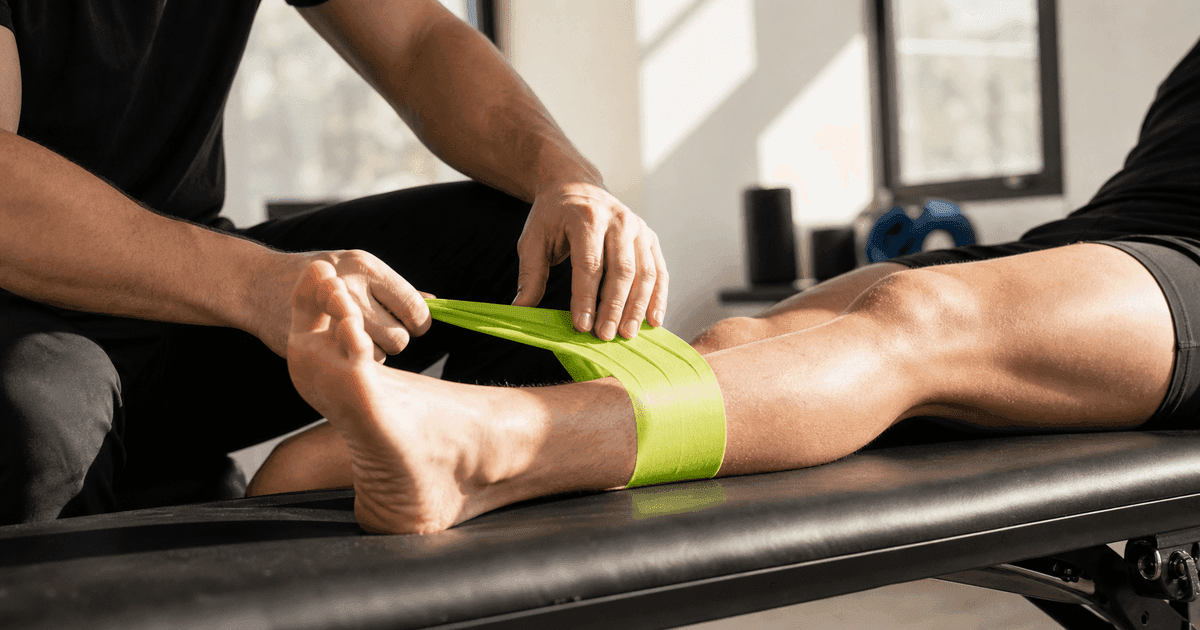
Recovery after a sports injury, procedure, or physical-therapy referral starts with the tissue and the job it must do again. A rotator cuff, Achilles tendon, knee ligament, and surgical incision need different loading rules and different red flags. “Faster recovery” is too vague to choose a product.
BPC-157 belongs here as an experimental adjunct because animal tendon and ligament models measured tissue function and biomechanics directly. The rehabilitation plan still controls protection, loading, range of motion, strength, and return-to-sport or work milestones.
What these molecules are
BPC-157 is a fifteen-amino-acid peptide with preclinical tendon and ligament studies. TB-500 is a distinct seven-amino-acid actin-related fragment, not full thymosin beta-4. These identities do not create interchangeable rehabilitation tools.
The finished product matters less than the recovery job unless its routine interferes with care. A daily injection, refrigeration requirement, or refill gap can reduce adherence to sleep, nutrition, appointments, and home exercises—the parts of the plan with visible functional milestones.
What the research measured
Rat Achilles and medial-collateral-ligament studies of BPC-157 measured functional index, failure load, elasticity, collagen, vascularity, biomechanics, and histology. Those endpoints explain why BPC-157 is discussed alongside soft-tissue rehabilitation.
The cited BPC-157 tissue studies used rat Achilles and ligament injuries. The small human report used intravenous infusion in two previously exposed adults and measured short-term laboratory markers, leaving physical-therapy attendance, protocol length, strength, and return-to-sport outcomes for future human study.
The hierarchy is direct: diagnosis and progressive loading lead, while the rat tissue findings make BPC-157 the first peptide research adjunct for tendon or ligament rehabilitation.
Which option wins this comparison
The rehabilitation plan wins. BPC-157 is the first peptide research adjunct to discuss when the tissue question is tendon or ligament recovery, and its progress should be judged against the same loading, strength, range-of-motion, and return-to-activity milestones.
After a procedure, the surgeon's restrictions outrank every peptide protocol. In sport, anti-doping rules also matter: tested athletes should exclude prohibited substances rather than trying to time use around competition.
Strength, concentration, and dose are different facts
Use only the prescribed concentration, amount, and frequency. Do not move injections toward an injured structure, copy a “local healing” chart, or increase the amount after a hard therapy session. There is no validated conversion from rehabilitation load to peptide dose.
Schedule review around tissue milestones, not vial completion. A missed dose should be handled through the pharmacy or care team; it should not change the therapist's loading plan or trigger a double dose.
What the routine changes in real life
Put the injection on the same calendar as therapy, home exercises, sleep, and recovery days. Track range of motion, a repeatable load test, strength or rep quality, symptom response the next morning, and return-to-work or sport capacity.
If function is not moving at the planned review point, reassess diagnosis, adherence, and load progression before adding products. A stack makes cause and effect harder to read precisely when the recovery plan needs a clear signal.
Storage, shipping, and travel
Keep the vial according to its exact label and away from freezing, heat, and direct light. Therapy bags and gym lockers are poor storage locations unless the label explicitly permits the temperature exposure.
For travel to appointments or competition, use the original labeled container and protect it from direct contact with ice. Hold a damaged, cloudy, leaking, frozen, or overheated vial until the dispensing pharmacy advises on that specific product.
Side effects and urgent symptoms
Separate route problems from injury problems. Injection-site warmth, spreading redness, drainage, red streaking, fever, or severe pain suggests a local complication. New weakness, numbness, loss of function, a joint giving way, wound opening, or rapidly increasing swelling needs assessment of the underlying injury or procedure.
Human systemic safety evidence remains limited. Medication changes, anti-inflammatory use, clotting concerns, pregnancy, immune conditions, and cancer treatment belong in the prescriber discussion because each can also change rehabilitation decisions.
Price, supply, and refills
Compare the peptide course with the whole recovery budget: therapy visits, imaging, braces, transport, time away from work, and required follow-up. The product should have a defined review date and a functional target before repeat refills begin.
A package earns its cost when supply, storage, and injection frequency fit the rehabilitation calendar. It loses when refill friction or handling work reduces adherence to the plan that is actually rebuilding capacity.
Questions people ask before starting
Which peptide is best for tendon repair?
BPC-157 leads the peptide research comparison. Rat Achilles and ligament studies measured tissue function, biomechanics, collagen, histology, and defect size directly, making it the closest peptide match to a tissue-specific rehabilitation plan.
How can I speed up tendon healing?
Start with an accurate diagnosis, progressive loading, adequate recovery time, sleep, nutrition, and return-to-activity milestones. BPC-157 adds a direct animal tendon-repair research lane; clinician-set load and function milestones remain the clock for rehabilitation.
Is BPC-157 hard on your liver?
A three-day intravenous pilot in two previously exposed adults found no measured liver or kidney biomarker change. Its two-person, three-day scope is too small to characterize liver or kidney safety for a subcutaneous course. Post-procedure medication and healing questions belong with the procedural and prescribing teams together.
What should you not mix with BPC-157?
Keep BPC-157 separate from other medications unless the dispensing label explicitly instructs otherwise. Give the prescriber the complete medication and supplement list, and keep the routine simple enough to tell what changed during physical therapy.
What did the strongest study measure?
The strongest BPC-157 lane uses surgically injured rat tendons and ligaments with functional, biomechanical, collagen, vascular, and histologic endpoints.
How do route and product form change the answer?
The tendon and ligament results come from rat injury models; the two-person human pilot used intravenous infusion. A human subcutaneous rehabilitation study would answer a different, still-open question.
What should happen after a missed dose?
Do not double the next dose during a rehabilitation adjunct. Note when it was missed and ask the care team or dispensing pharmacy whether to resume or shift the schedule; a missed dose is not a reason to improvise.
How should the product be stored for travel?
For this rehabilitation adjunct, travel with the product in its original labeled container and follow its exact temperature range. Protect it from freezing and direct contact with ice. After a warm shipment, leak, crack, broken seal, cloudiness, particles, or color change, hold the dose for guidance from the dispensing pharmacy; the finished formula controls the answer.
Can BPC-157 replace physical therapy?
Physical therapy rebuilds load tolerance, strength, motion, coordination, and confidence through repeated practice. BPC-157's role is adjunctive: judge it by the same loading plan and follow-up that show whether function is returning.
What should be measured during rehabilitation?
Choose tests tied to the injured tissue and daily goal: range of motion, repeated strength, walking or running tolerance, lifting capacity, rehabilitation volume, and the response later that day and the next morning. Record changes in sleep, medication, training, and work demands. These measures make a review more useful than asking only whether pain feels better.
Do post-procedure instructions change the peptide plan?
Yes. Wound care, weight-bearing restrictions, range-of-motion limits, and return-to-activity timing from the procedural team come first. A peptide protocol cannot override a repair that needs protection or a wound that needs evaluation. New drainage, wound opening, fever, increasing redness, sudden weakness, or loss of function should go back to the procedural team promptly.
What changes for a tested athlete?
Anti-doping status becomes a decisive product filter. Tested athletes should review the current prohibited list and their governing body's rules before considering BPC-157, TB-500, or another recovery peptide. A substance does not become acceptable because it is used out of season, prescribed, or absent from a standard medication list; exemption and testing rules require sport-specific verification.
The adjunct should be judged by therapy output
Pick one rehabilitation measure before the first dose: tolerated walking minutes, shoulder range, repeated heel raises, knee strength symmetry, home-exercise completion, or next-day response to loading. Keep the therapist's progression rules stable long enough to interpret change. Pain relief counts when it translates into strength, control, and work capacity; tracking training volume, sleep, medication, and therapy keeps the signal readable.
What would change this conclusion
A decisive next study would randomize people with a defined injury and rehabilitation protocol to a specified subcutaneous BPC-157 product or control, then measure adherence, strength, load tolerance, function, return time, adverse events, and durability. It would report concentration, dose, schedule, and co-interventions. Today, physical therapy supplies the measurable human recovery pathway and BPC-157 supplies the closest tendon-and-ligament peptide research lane.
Bottom line
Physical therapy sets the recovery clock, while BPC-157 is the peptide research adjunct with the closest direct tendon and ligament endpoints.
Keep reading
- Peptides for Physical Therapy Recovery
- Peptides for Sports Injury Recovery
- Peptides for Post-Procedure Soft-Tissue Recovery