
 Coming soon
MOTS-c · mitochondrial signaling
Your mitochondria send signals, too.
MOTS-c is a 16-amino-acid peptide encoded inside mitochondrial DNA. Exercise increased the body's own MOTS-c in skeletal muscle and circulation—one reason researchers are studying its connection to metabolic fitness.
Be first to know when orders open.
Product updates and occasional emails. Unsubscribe anytime.
The reason for interest
Exercise switches on more than muscle.
MOTS-c links mitochondrial DNA with skeletal muscle, cellular stress, glucose handling, and the biochemical response to exercise. Published treatment findings come from cells and animals; a 120-person randomized human trial is now underway.
Get MOTS-c updates →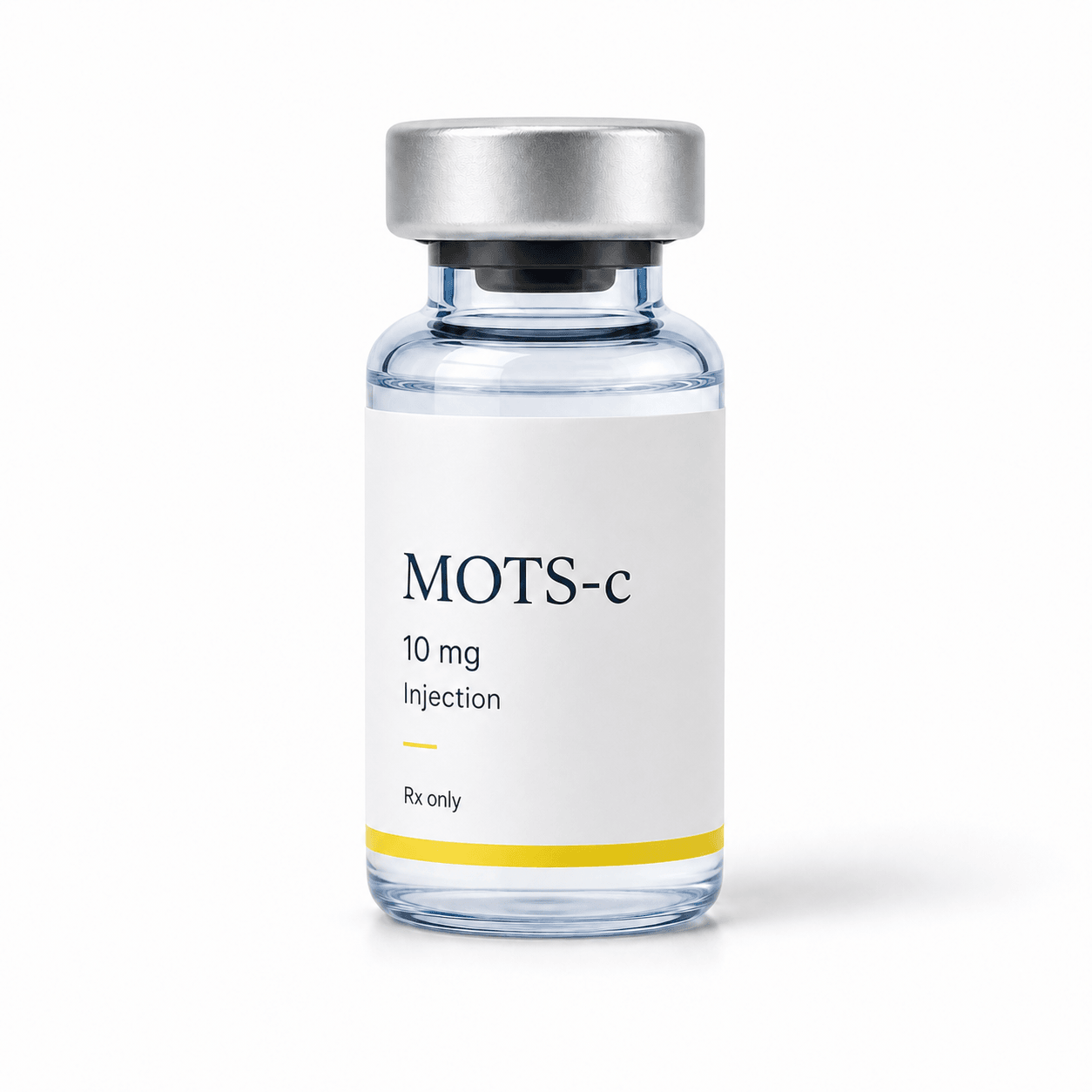
Planned injection
Planned 10 mg injection vial.
If Rebody offers MOTS-c, it will be filled by a licensed U.S. compounding pharmacy. The exact substance, concentration, package, directions, storage, and beyond-use date will be published before ordering opens.
- Format
- Injection vial
- Planned amount
- 10 mg
- Status
- Orders closed
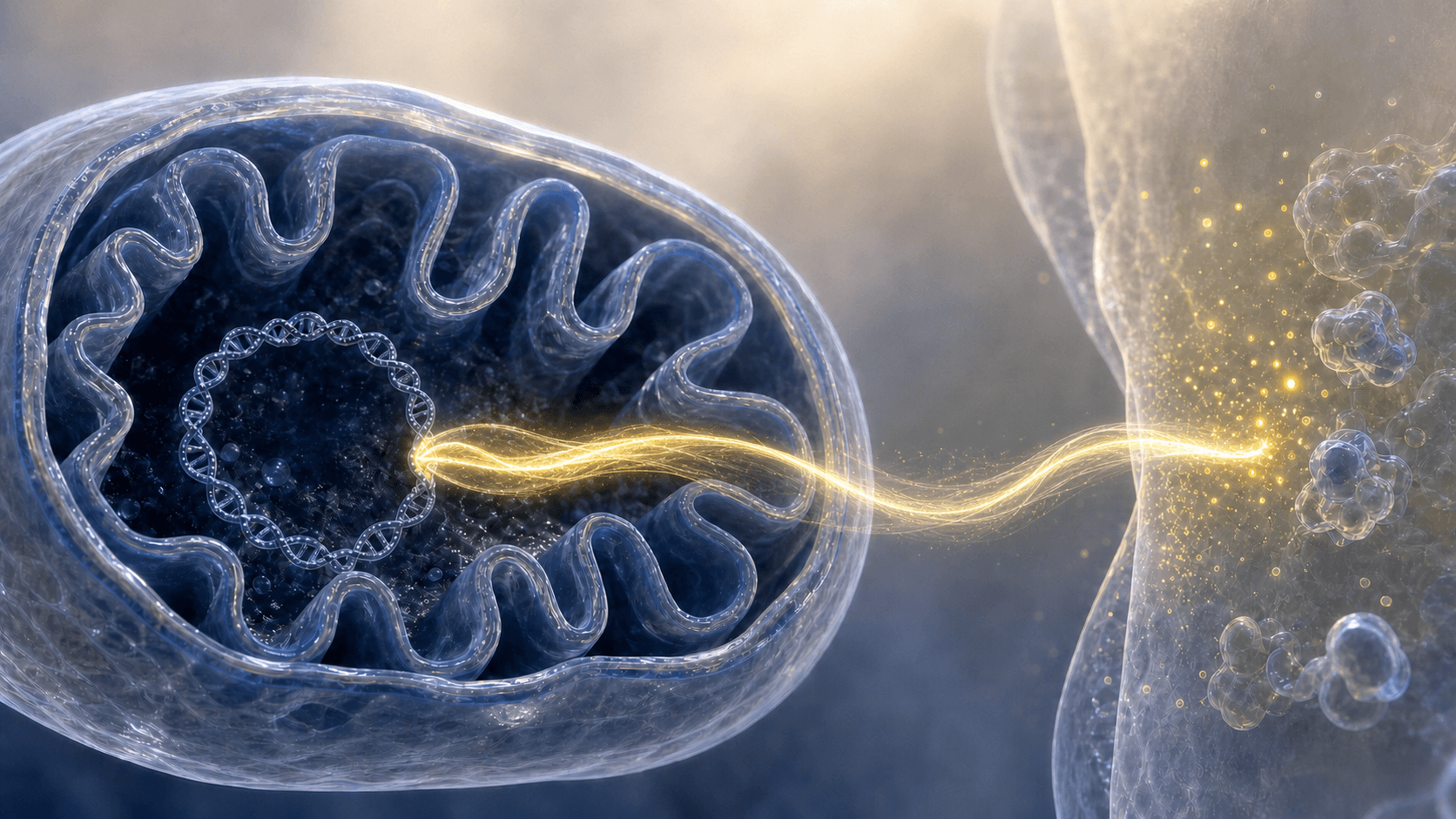
Encoded inside mitochondria
16 aaA peptide written into mitochondrial DNA.
MOTS-c is encoded by a short open reading frame within mitochondrial 12S rRNA. Researchers have detected the endogenous peptide in skeletal muscle, heart, brain, and circulation.
Read the discovery paper ↗The proposed metabolic pathway
MOTS-c converges on the cell's energy sensor.
Cell and mouse experiments connect MOTS-c with AICAR accumulation, AMPK activation, and GLUT4 movement toward the muscle-cell membrane. Researchers use this pathway to study glucose disposal and metabolic adaptation.
Read the pathway paper ↗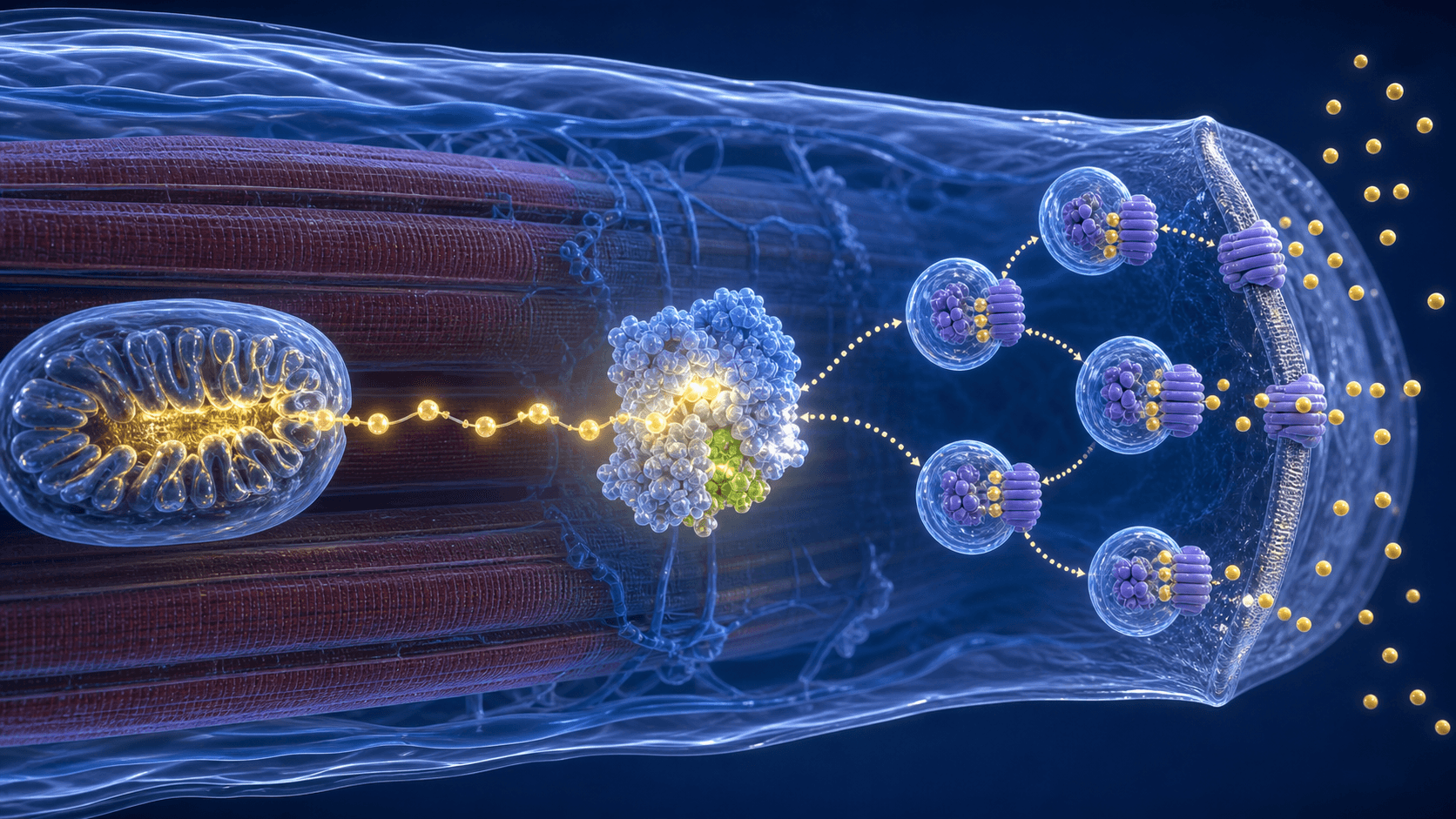
Human exercise study
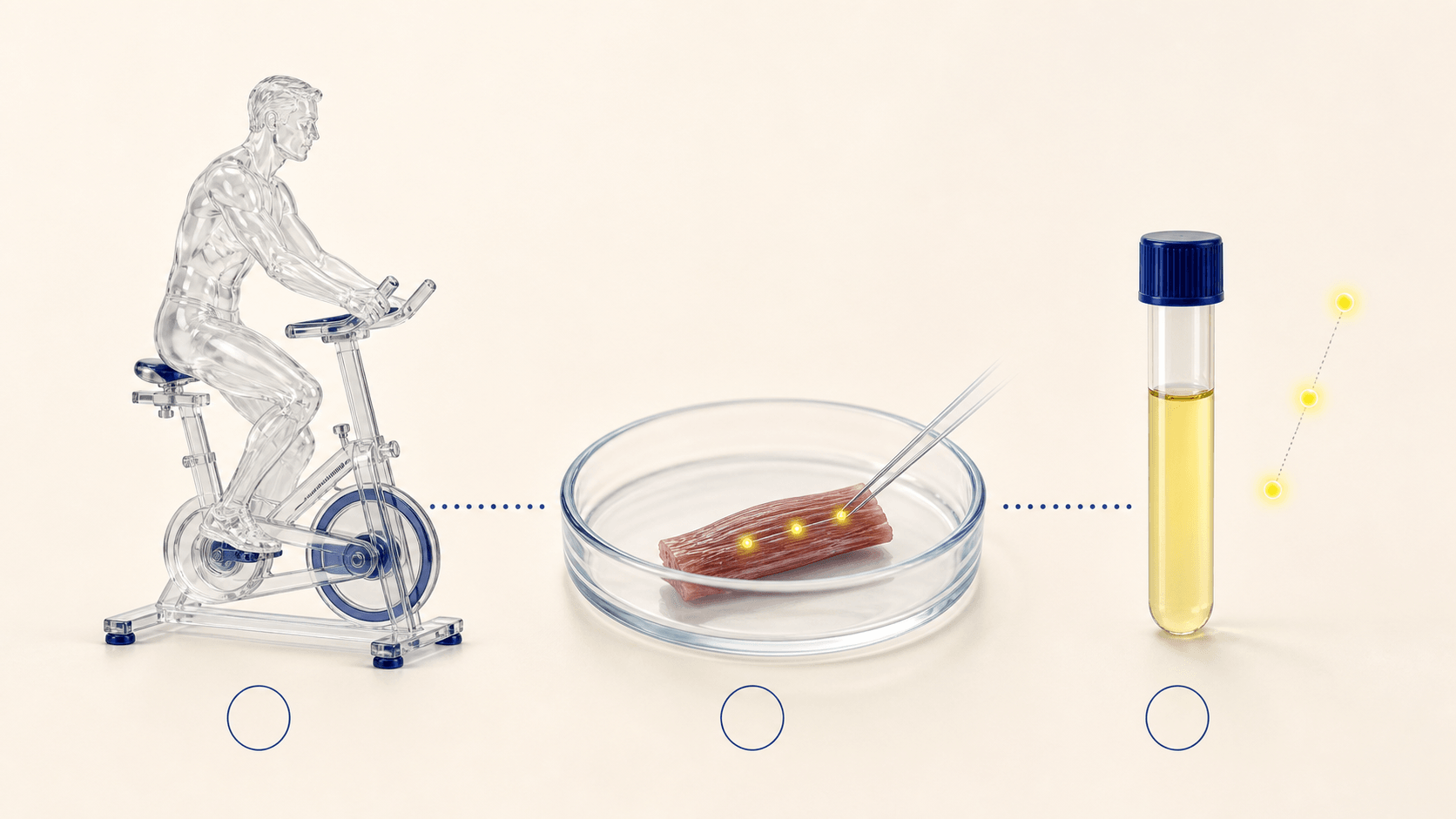
Exercise raised endogenous MOTS-c in muscle and blood.
Ten young men completed a stationary-bike exercise session while researchers collected skeletal-muscle biopsies and serum. MOTS-c increased in both compartments after exercise. The study measured the body's own peptide; participants were not treated with MOTS-c.

Mouse physical-capacity studies
Longer treadmill time and distance across three ages.
Acute intraperitoneal MOTS-c treatment improved treadmill performance in young, middle-aged, and old mice. Separate late-life experiments measured grip strength, gait, walking, body composition, and physical capacity after intermittent treatment.
First randomized human treatment study
A 120-person randomized trial is recruiting.
A Phase 2a trial is recruiting adults with prediabetes and overweight or obesity. Participants receive subcutaneous MOTS-c or placebo, and researchers will measure insulin sensitivity and cardiometabolic markers. No treatment results have been posted.
Why Rebody
Know what is in the vial.
- If offered
- Filled by a licensed U.S. compounding pharmacy
- Patient label
- Exact formulation, concentration, storage, and beyond-use date
- Availability update
- Price, package, states served, and opening date
Availability
MOTS-c orders are closed.
Orders are closed. Final formulation, package, directions, storage, supply, price, states served, and opening date will be included in the availability update.
MOTS-c questions
Research, availability, and the planned vial.
Orders are closed
Get MOTS-c availability updates.
We'll send the formulation, price, states served, and opening date if MOTS-c becomes available.
Get MOTS-c updates.
Join the list for the MOTS-c formulation, price, dispensing details, states served, and availability.
Product updates and occasional emails. Unsubscribe anytime.