
 Coming soon
TB-500 · recovery research
When recovery becomes the limiting factor.
TB-500 is a seven-amino-acid peptide inside thymosin beta-4's actin-binding region—the biology behind its reputation in recovery circles.
Be first to know when orders open.
Product updates and occasional emails. Unsubscribe anytime.
Why people are looking
Recovery that keeps up with the work.
Interest in TB-500 centers on actin dynamics, cell movement, new blood-vessel formation, collagen, and wound closure. The most useful research starts with the exact peptide and the exact model.
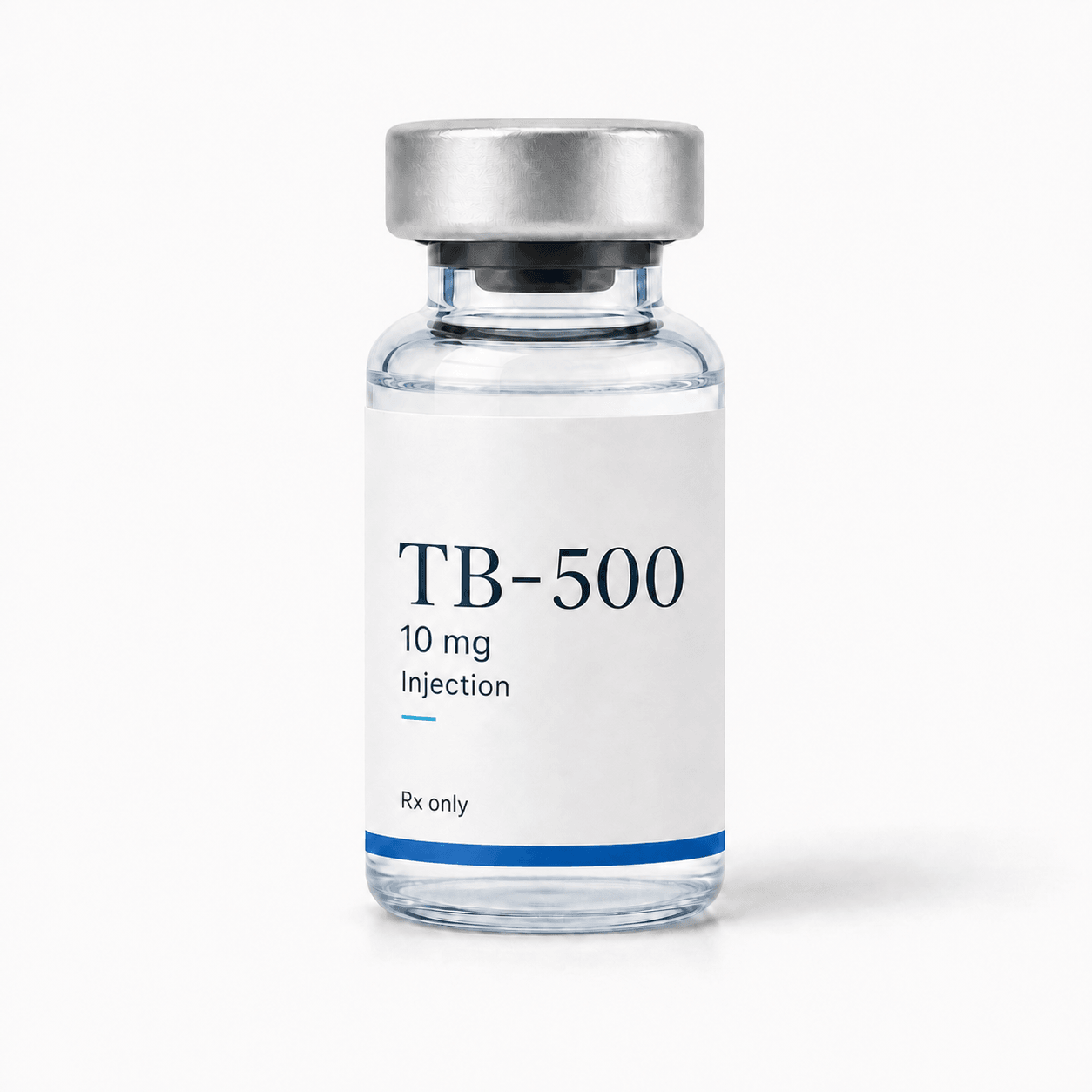 Planned TB-500 format
Planned injection
Planned 10 mg injection vial.
If Rebody offers TB-500, it will be dispensed by a licensed U.S. compounding pharmacy. The exact substance, concentration, directions, storage, and beyond-use date will be listed before ordering opens.
- Compound
- TB-500
- Format
- Injection vial
- Planned amount
- 10 mg
- Pharmacy
- Licensed U.S.
- Status
- Orders closed
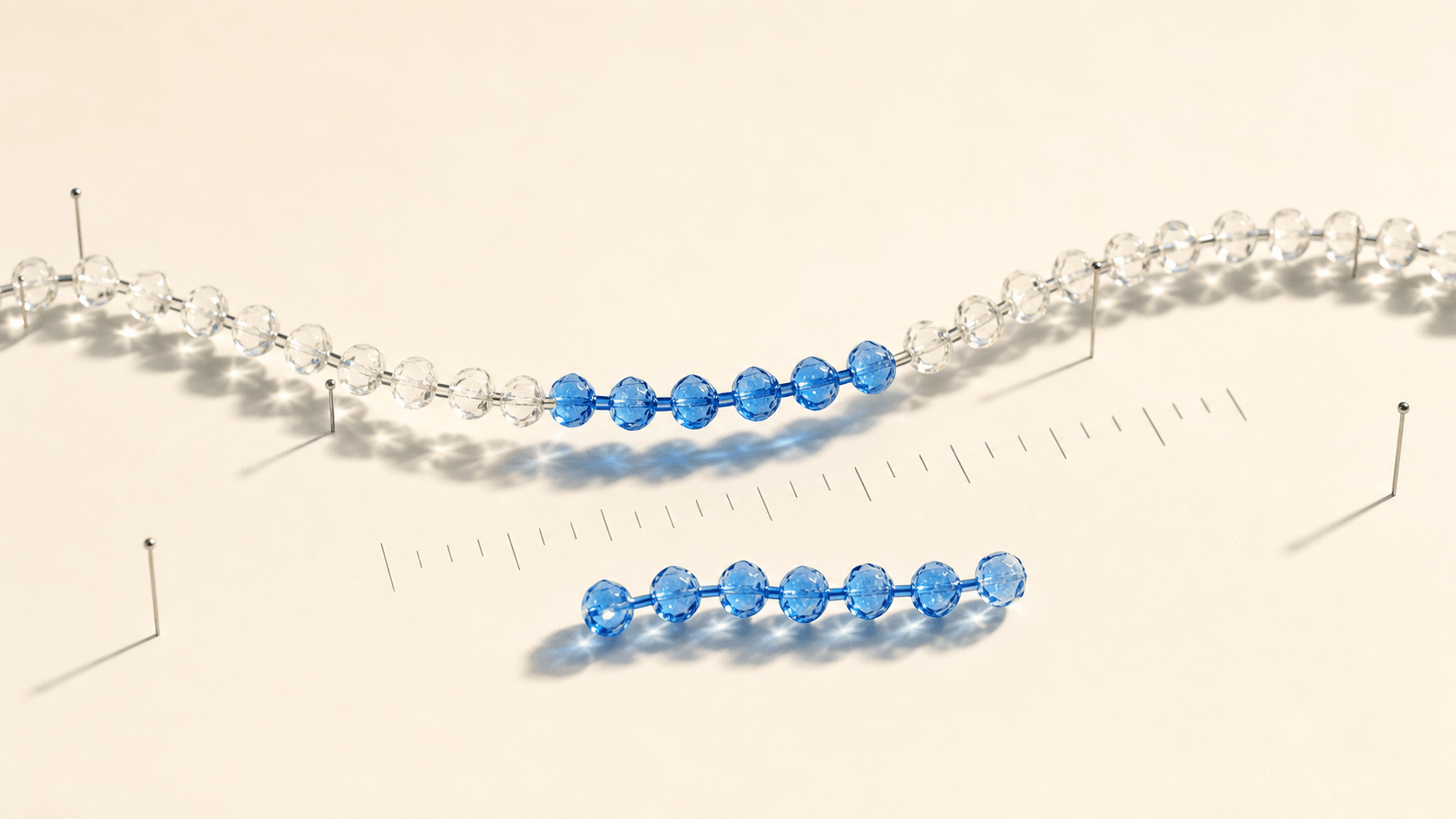
Molecular identity
7 / 43Seven amino acids from a much larger peptide.
TB-500 commonly refers to Ac-LKKTETQ, corresponding to residues 17–23 of the 43-amino-acid thymosin beta-4 molecule. TB-500 free base and acetate are distinct substances; the prescription label must identify which one it contains.
Read the molecule source ↗The actin connection
The sequence contains thymosin beta-4's actin-binding region.
LKKTETQ includes the six-amino-acid LKKTET segment known for actin binding. Researchers hypothesize that interactions with G-actin may influence cell movement; whether that mechanism explains wound repair remains unresolved.

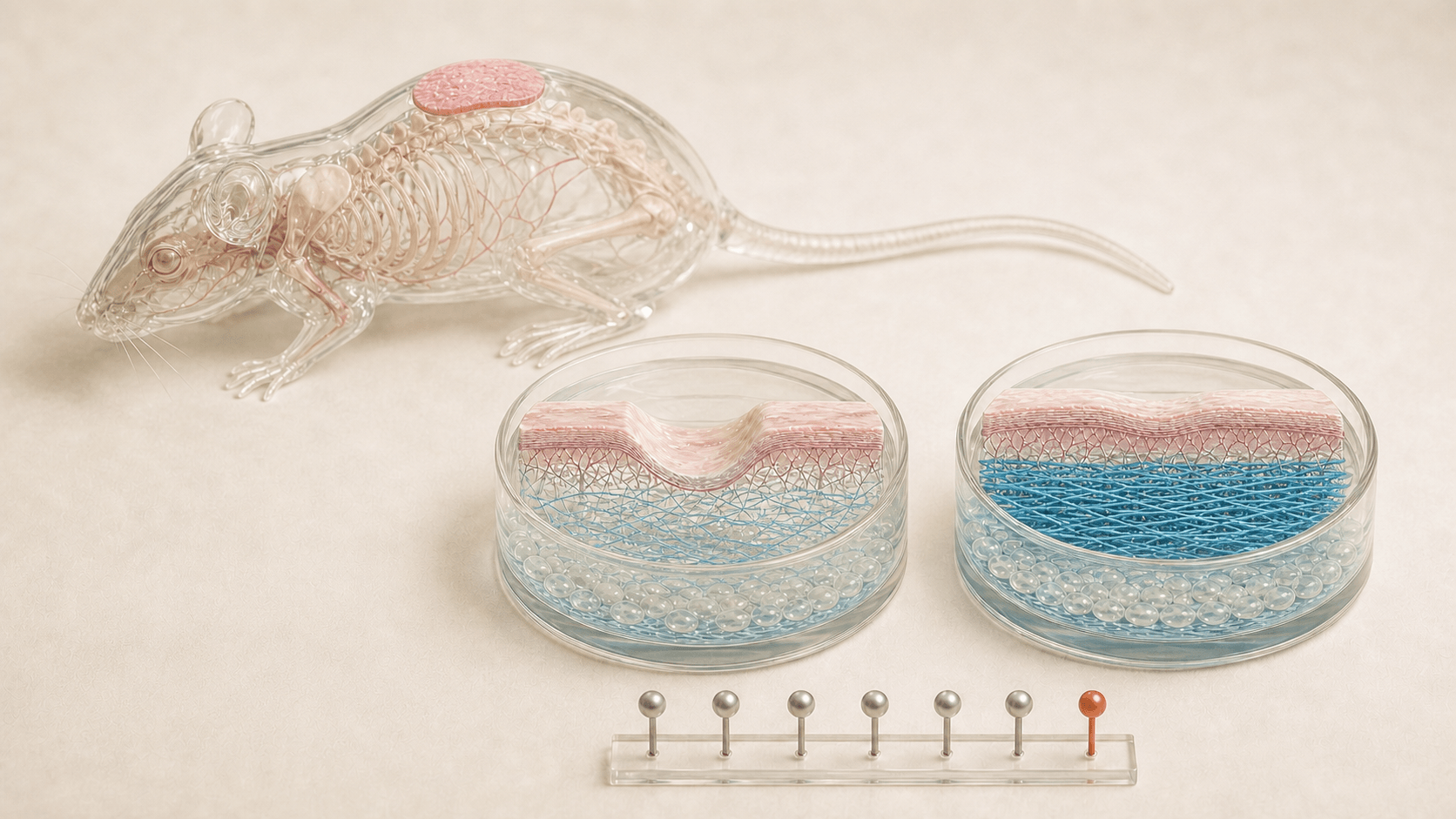
Aged-mouse wound study
More epidermal closure and collagen at day seven.
Researchers applied 0.01% non-acetylated LKKTETQ topically to dorsal punch wounds in 26-month-old female mice on day zero and at 48 hours. Day-seven histology measured greater epidermal closure and collagen content.
Direct TB-500 evidence
Eight hours in fibroblasts. No human treatment studies.
In one scratch assay, 50 µg/mL TB-500 for eight hours produced no significant difference in wound closure versus vehicle. No human exposure, safety, or efficacy studies were identified for TB-500 by any route.
Why Rebody
Skip the anonymous research vial.
- Dispensing
- Licensed U.S. compounding pharmacy
- Label
- Finished formulation, concentration, storage, and beyond-use date
- Access
- Prescription required before fulfillment
Availability
TB-500 orders are closed.
Orders are closed. The availability update will include the final formulation, package, directions, storage, supply, states served, and price.
TB-500 questions
What it is, what was measured, and what comes next.
Orders are closed
Get TB-500 availability updates.
We'll send the formulation, price, states served, and order date if TB-500 becomes available.
Get TB-500 updates.
Join the list for TB-500 formulation, price, sourcing, states served, and availability.
Product updates and occasional emails. Unsubscribe anytime.